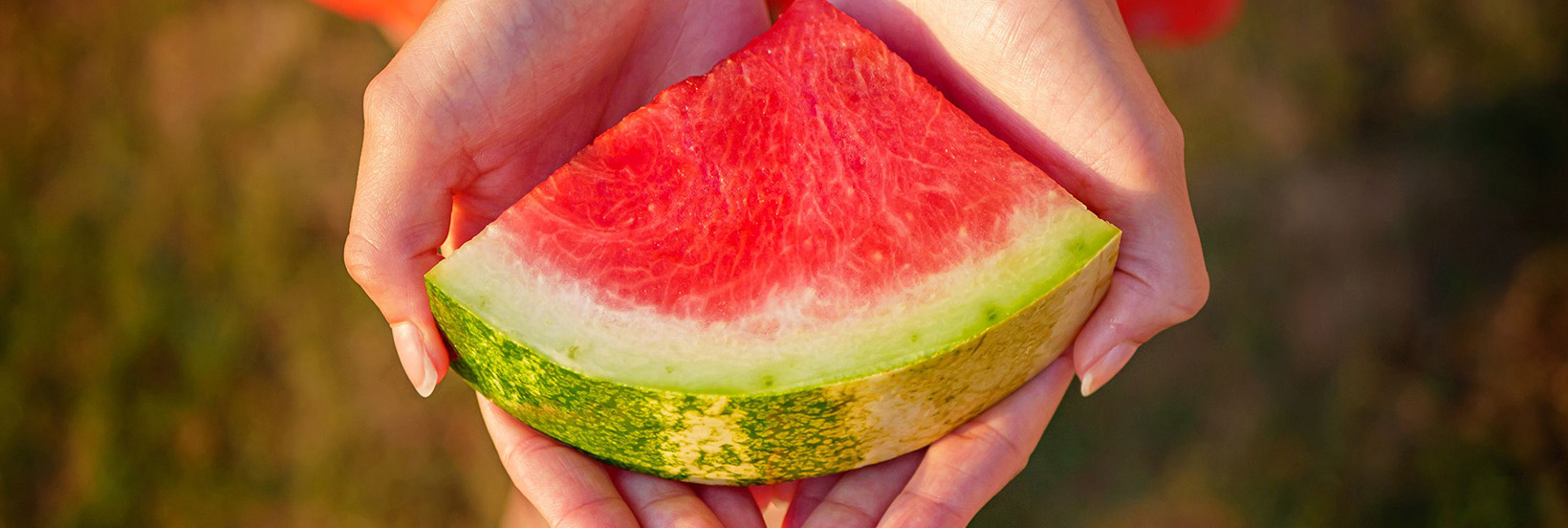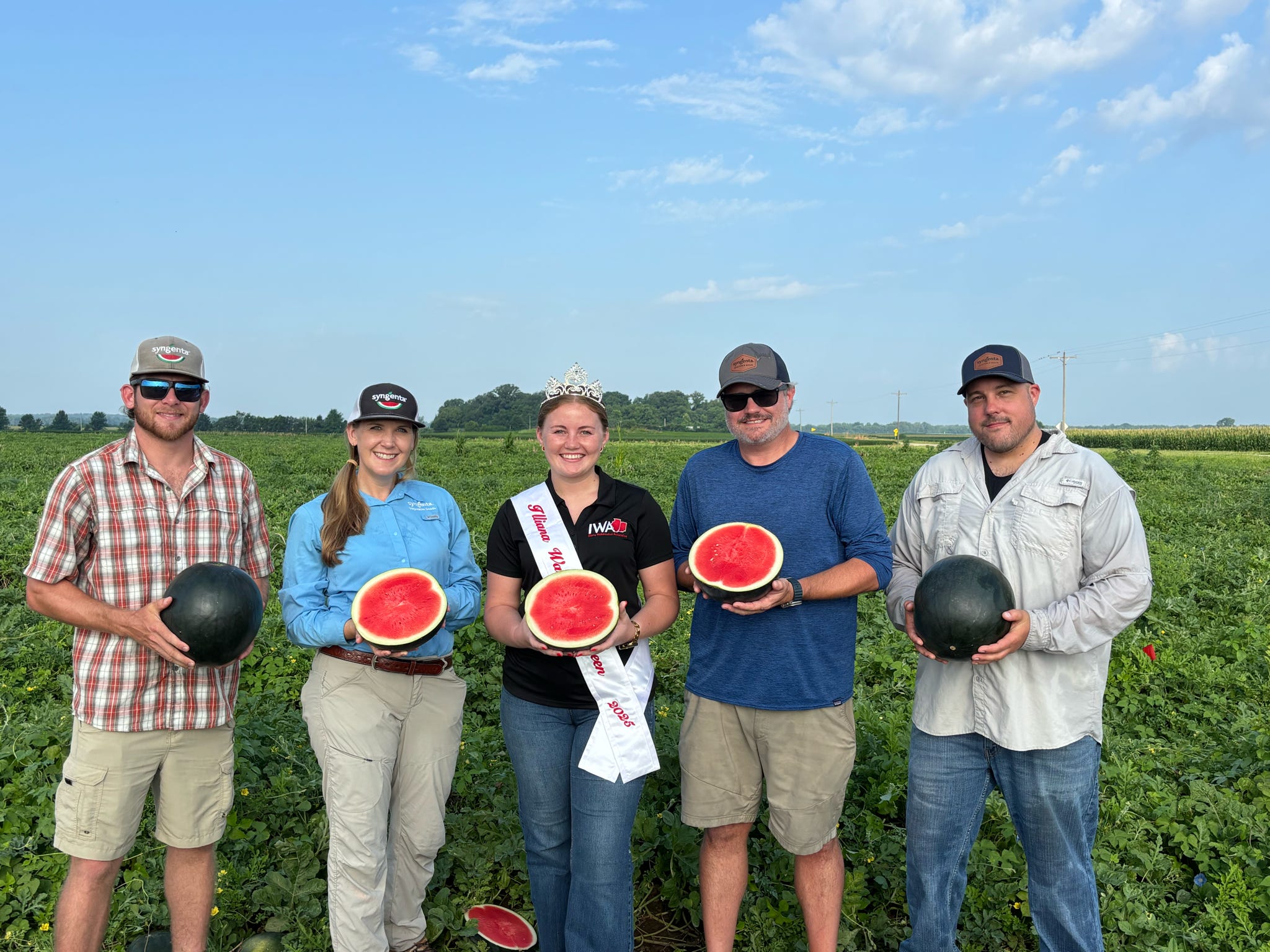
How we grow watermelon.
Seven thousand acres of sandy Wabash River soil along US Highway 41, from a tray of seedlings to the bins on your grocer's floor.
A 50-mile corridor of glacier-built sand.
Most of our production sits within 15 miles east and west of a 50-mile stretch of US Highway 41. Stand in one farm's field and you can throw a rock into the neighbor's. Not that we would.
The sandy soil our watermelon are raised on was deposited by the great glaciers of the Ice Age and is enriched with trace elements not found in the beach-type sands of our southern neighbors. Every time the Wabash River overflows it adds more. That soil is a big part of why travelers stop at our roadside stands and say they can taste the difference.
Most member farms sit within 15 miles of US 41 between Terre Haute and Evansville.
Ten steps to a ripe Illiana watermelon.
From a tray of seedlings in late winter to bins on a truck in September.
-
 Step 1 · Late winter
Seeding
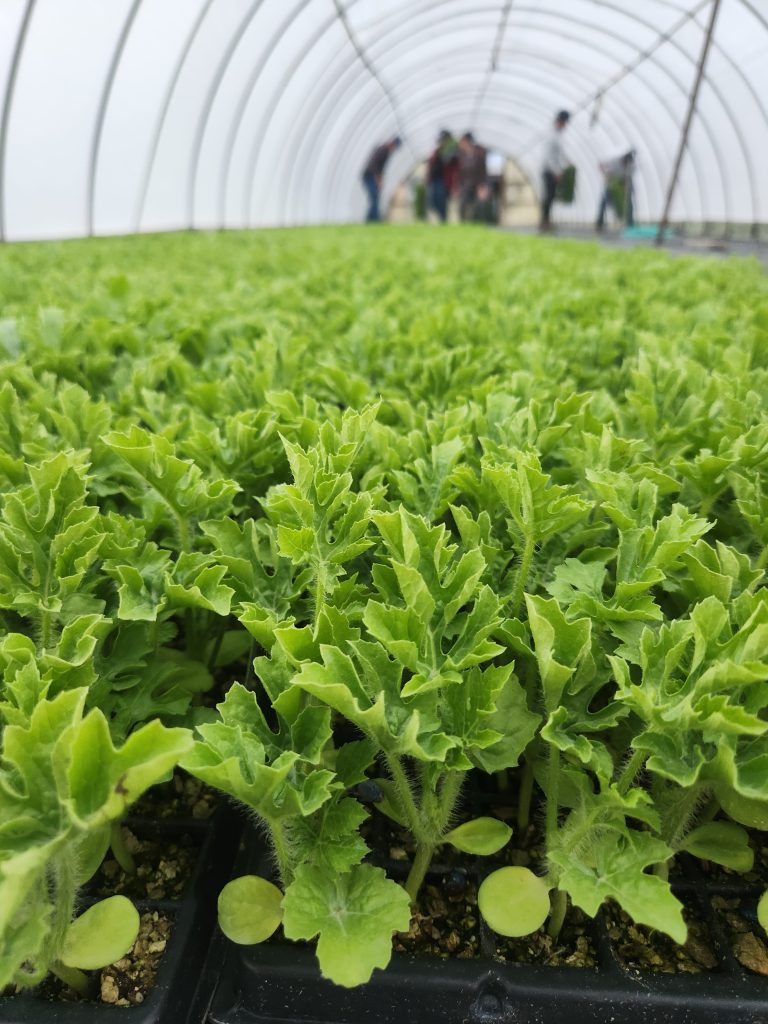
Hands and seed tray, close up', 'text' => 'Production begins with the planting of the seed in a tray of cells filled with a highly fertile peat moss medium.
-
 Step 2 · 4-5 weeks
Greenhouse
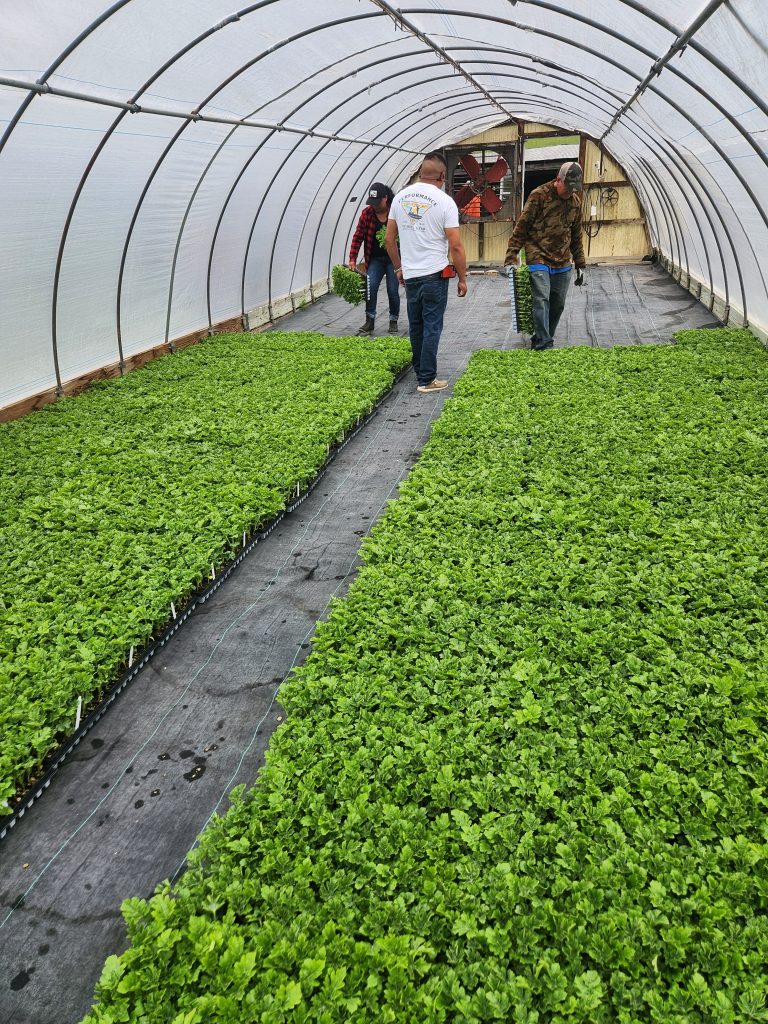
The trays move into our greenhouses, where seedlings are nurtured until they are strong enough to withstand the rigors of Mother Nature.
-
Photo to addStep 3 · Previous fall
Cover crop
Fields are prepared long before with a planting of rye. It adds organic matter, holds moisture, and feeds the growing watermelon plant.
-
Photo to addStep 4 · Early spring
Beds
Planting beds are shaped, leaving strips of rye standing to protect against strong spring winds that could damage unprotected young plants.
-
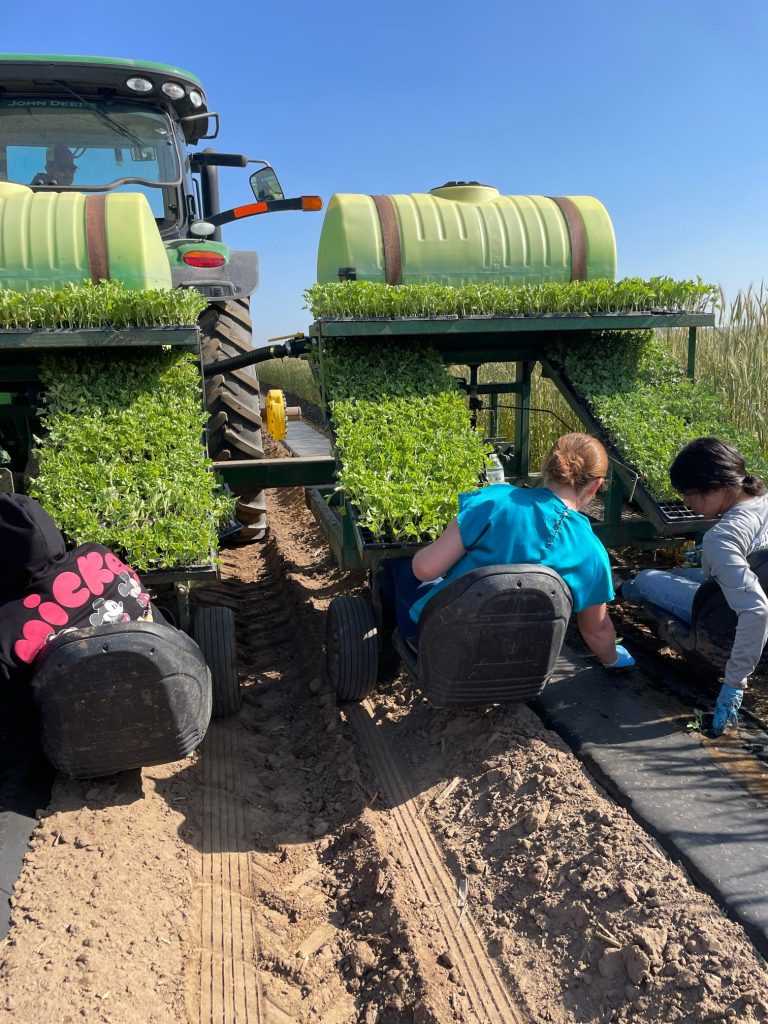 Step 5 · When frost risk passes
Transplant
When Mother Nature promises reasonably safe temperatures, seedlings move from greenhouse to field, most into a bed covered with protective plastic mulch.
-
Photo to addStep 6 · Growing season
Cultivation
Plants are monitored closely for pests and disease. Fungicide is applied only if needed, and fertilizer is added at critical points in the plant's growth.
-
Photo to addStep 7 · Day 80–90
Ripening
After all the tender loving care our growers put in, the plump, juicy watermelon begin showing signs of maturity and harvest is ready to begin.
-
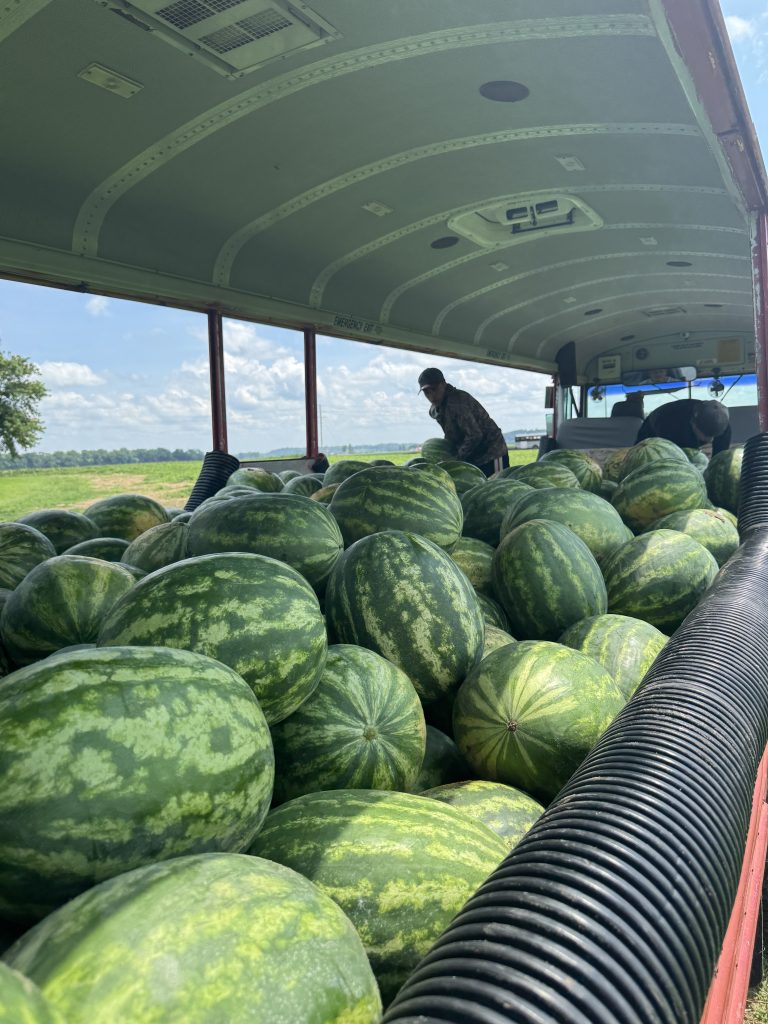 Step 8 · July – September
Harvest
Crews enter the field, led by watermelon specialists called cutters. Only the ripest melons are cut, loaded onto wagons and brought to the packing sheds.
-
Photo to addStep 9 · Packing shed
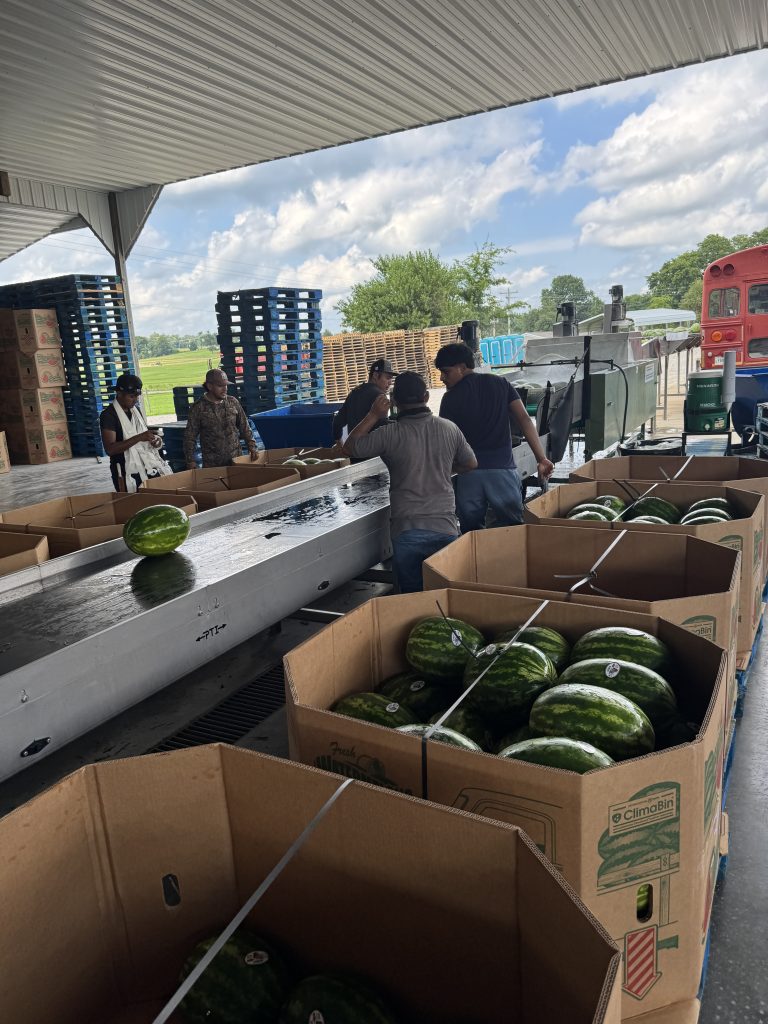
Packing
At the shed each melon is inspected and packed into bins by hand, ready for the trip to our customers.
-
 Step 10 · Shipping
To your table
Bins are loaded onto trucks for our customers' warehouses, then make their way into retail stores and finally to your table.
“If you're lucky enough to live close to our market areas, you already know you can taste the difference.”Illiana Watermelon Association growers